There is believed to have been a stronghold on this prominent ridge from the 11th century. The property was held by an Alexander de Such, but he was forfeited by Robert the Bruce. The name Fa’side means the ‘dark or shady side’ — the castle is built on the north side of the ridge — and it is marked on Blaeu’s historic map of The Lothians.
William de Ffauside sat in the Scottish Parliament under King David I from 1124 to 1153. The Fawside family held the property through the 13th and 14th centuries — Thomas de Fawside, knight, is on record in 1376, while William of Fawside and Gavin of Fawside are mentioned in 1476. The superiority was held by the Setons.
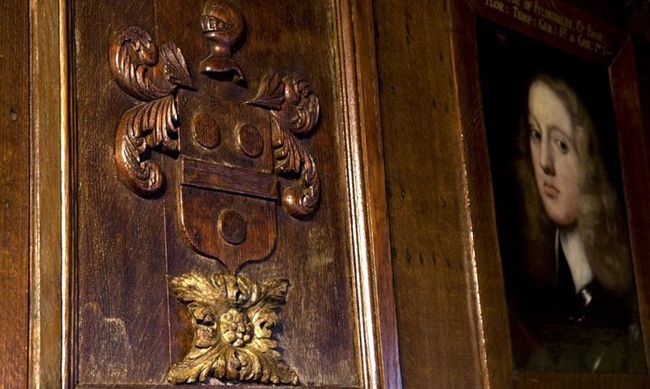
Faside coat of arms and family portrait
The present castle is an L-plan tower house, incorporating a plain 14th or 15th century tower of four storeys with walls as much as eight feet thick. It was later extended by a six-storey block with turrets, dormer windows and decorated mouldings. Bartizans crown the building, with corbiestepped gables, and the walls are harled and whitewashed. Inside, a steep stair in the thickness of the wall leads from the vaulted basement to the upper floors, with a prison on the first floor and a laird’s lug in the great hall.
Four charters survive in the National Library of Scotland — one is the first Scottish document on the coal trade. A Roman settlement outline is still visible from the air to the west of the castle. There was once a village at Fa’side with some 145 inhabitants, mostly employed as coal miners, and a doocot with a curious hiding place.
The castle garrison had been attacking English forces when the tower was burnt by the English before the Battle of Pinkie — reputedly suffocating all those inside. The Duke of Somerset then commanded the English at the battle itself, routing the Scottish forces. It was the last pitched battle between Scotland and England as separate nations. Corbels from that fire are still visible in the Great Hall ceiling. There are stories of a Green Lady haunting the castle — possibly the lady of the house killed in the burning — said to appear at a window on the anniversary of the battle, 9 September.
Robert Fawside, the then heir to the family and about 20 years old, was murdered by Robert Robertson, a servant, in the barn using a knife or dagger. Robertson was beheaded on Castlehill in Edinburgh for the crime. There is a memorial in the burial ground at Tranent.
A new house was built in 1618 just to the south-east of the castle, with one dormer dated 1618 and the initials IFIL. In 1631 Falside was sold to an Edinburgh merchant burgess named Hamilton. John Hamilton of Easter Falside is on record in an act of 1649, before the property passed to the Dundases of Arniston. Lady Fawside and other local mine owners also came to Government attention during this period for price fixing of coal — an early instance of commercial regulation in Scotland.
Written records of the Musselburgh Riding of the Marches — in which riders check the ancient boundaries of the burgh — date to 1682, though the ceremony is believed to be far older, perhaps tracing back to Musselburgh’s first charter in 1124. The route passes within sight of Fa’side Castle and continues to this day every 21 years.
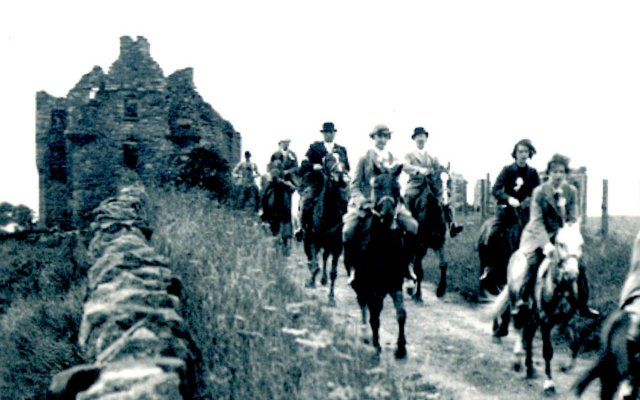
Musselburgh Common Ridings passing Fa’side Castle in ruins
As the castle fell into ruin, the family moved into the L-shaped farmhouse built to the south-east, and a row of farm workers’ cottages. These structures — visible in early sketches — served as the working heart of the estate. The house was latterly used by farm workers, though it was ruinous by the late 19th century and finally cleared away in the 1960s.
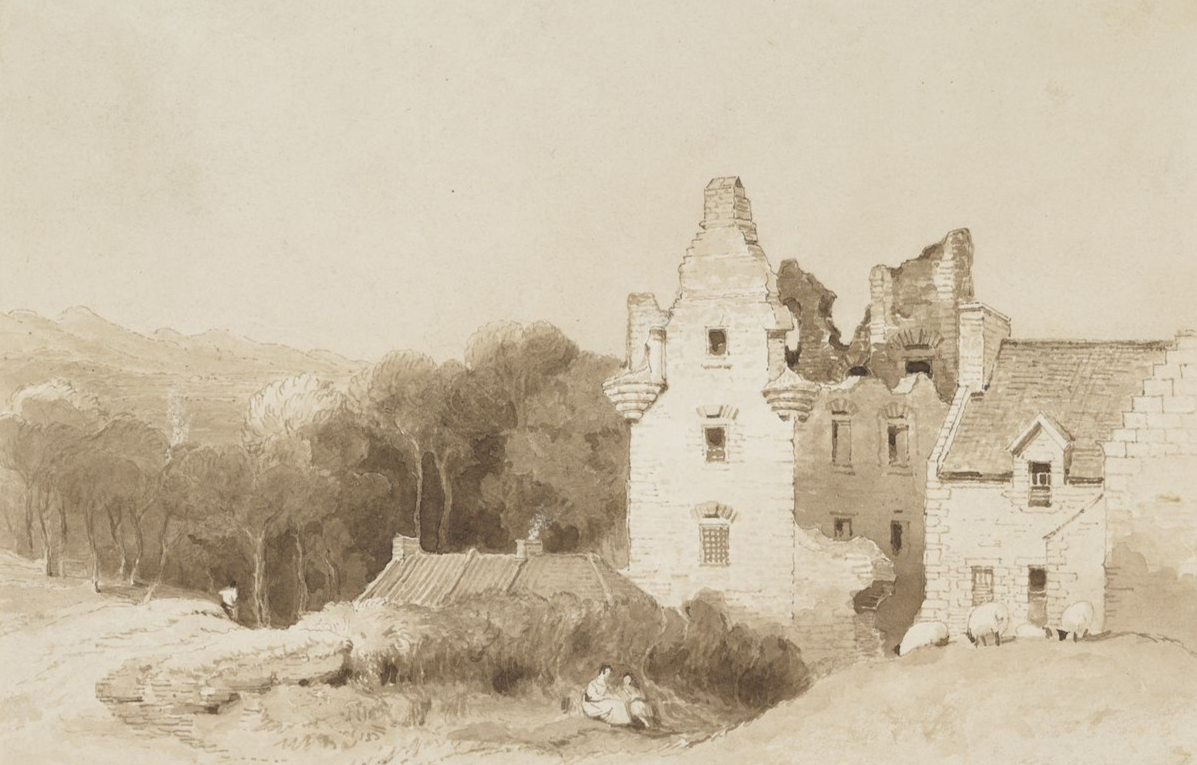
18th century sketch showing the castle in ruins, with the cottages and L-shaped house visible to the right
The castle, the L-shaped house and the cottages all fell into abandonment — absent from window tax records for fifty years. Plans to demolish the castle, then in a dangerous condition, were twice put forward. Each time, a local outcry — led by novelist Nigel Tranter and Provost Bill Caird — prevented their destruction. Tales persist of underground passages connecting Fa’side to Pinkie House, Elphinstone Tower and Tranent Tower, perhaps following old mine workings.
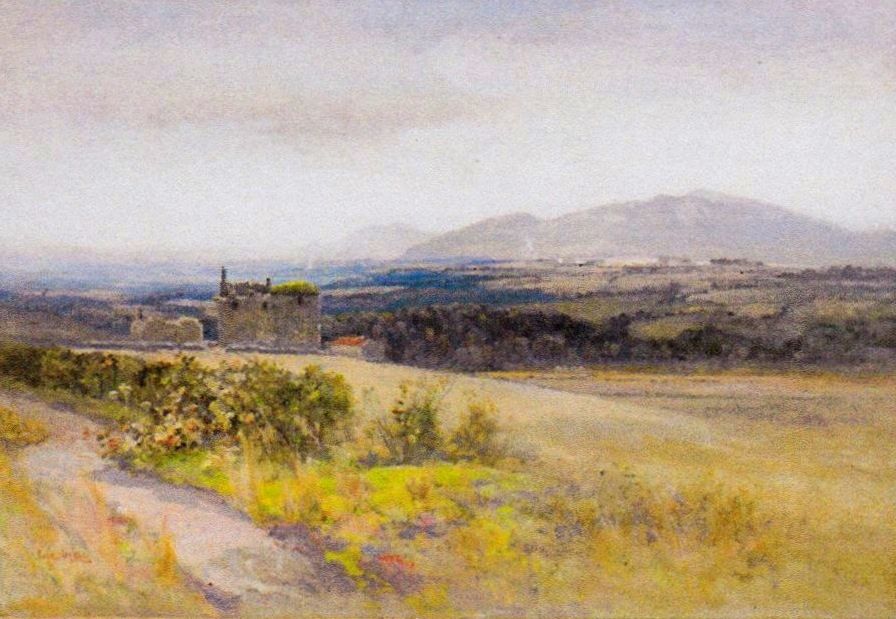
Painting of the castle during its long period of abandonment
Tom Craig — a Loretto schoolboy who used to run past the castle — purchased and lovingly restored Faside with his wife Claire. The nearly restored castle was later sold to Jamie and Charmie Douglas.
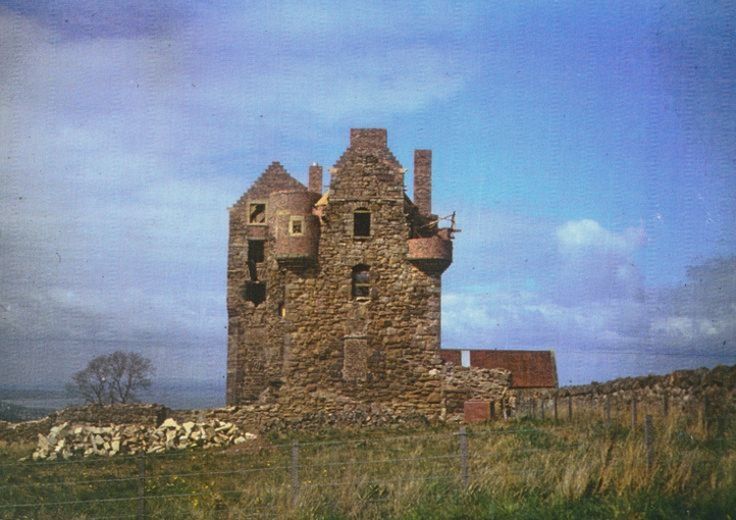
Fa’side Castle during restoration, 1976
Ian and Sue Brash purchased the castle in 1989 and still live here with their family. Under their stewardship the Tower opened as a unique B&B — just ten miles from Edinburgh. The family also breed dressage horses near by in East Lothian.
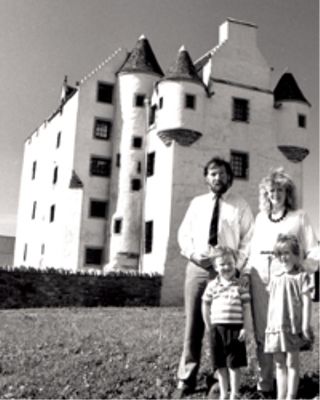
Ian and Sue Brash with their children (Vicki and Greig) outside the newly restored castle
Fully restored and overlooking the East Lothian landscape toward the Firth of Forth, the castle stands as a remarkable piece of living Scottish history.
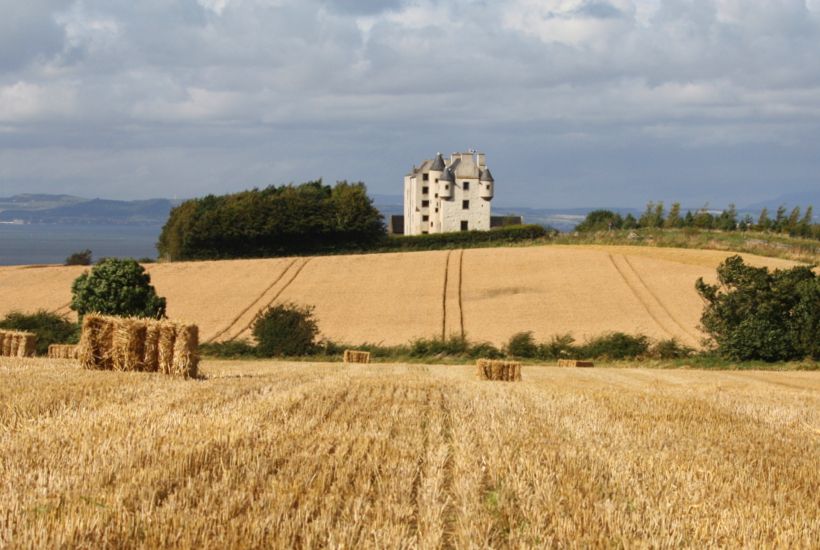
Fa’side Castle today, seen from the surrounding fields